FOR U.S. ENTREPRENEURS BUILDING SMALL-SCALE CARE FACILITIES
What Japan’s 20-year head start in small-scale care can teach you.
17 years operating small-scale care facilities across Japan, Thailand, Vietnam, and Indonesia. 3 facilities built. $2.7M M&A exit. Now sharing what works with U.S. operators entering the market.
The most expensive mistake in U.S. assisted living isn’t bad care.
It’s the 5-6 decisions made before opening day. State selection. Property choice. License structure. Staffing model. Family relationships. Get these wrong, and the facility fails — no matter how good the care is.
WHAT GOES WRONG
$40K–$100K lost
The average first-time operator loses this much in the first 18 months — not from bad luck, but from preventable early decisions.
WHAT WORKS
Japan’s proven model
Japan absorbed the same demographic pressure 15 years ago. The small-scale operators who chose well still run profitable facilities today.
WHAT YOU GET
Translated for the U.S.
17 years of small-scale operations, refined into frameworks U.S. operators can apply tomorrow. State selection. Property evaluation. Staff retention.
Why operator-to-operator advice beats consultant advice.
- → 17 years operating, not advising
- → 3 facilities built from the ground up
- → $2.7M M&A exit, validated by acquirer
- → Currently operating active facilities
- → 4 markets: Japan, Thailand, Vietnam, Indonesia
- → 500+ family tours conducted personally
- → Sub-10% staff turnover in Thai facilities
- → 200+ properties evaluated for care use
Latest Articles
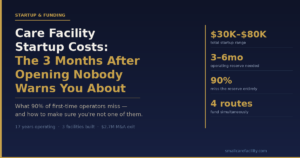
- Care Facility Startup Costs: The 3 Months After Opening That 90% of Operators Never See Coming
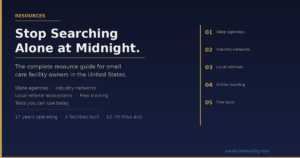
- Stop Searching Alone at Midnight: The Complete Resource Guide for Small Care Facility Owners
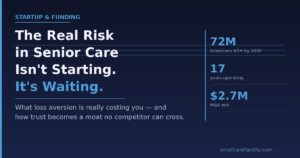
- The Real Risk in Senior Care Isn’t Starting. It’s Waiting.
New articles published weekly. 33+ articles available across 6 categories.
BROWSE BY CATEGORY
The Free Starter Kit
3 free guides + 3 execution templates. The same frameworks that prevent the $40K–$100K mistakes most first-time operators make.
3 GUIDES (PDF)
- → The First 90 Seconds (Tour conversion)
- → The Property Decision Filter (18 points)
- → USA Care Facility Financial Planning Guide
3 EXECUTION TEMPLATES
- → Day 1: Financial Planning Calculator (Excel)
- → Day 2: Property Selection Checklist (Word)
- → Day 3: Care Manager Outreach Template (Word)
Instant download · No email signup required · 6 files
About Koujirou
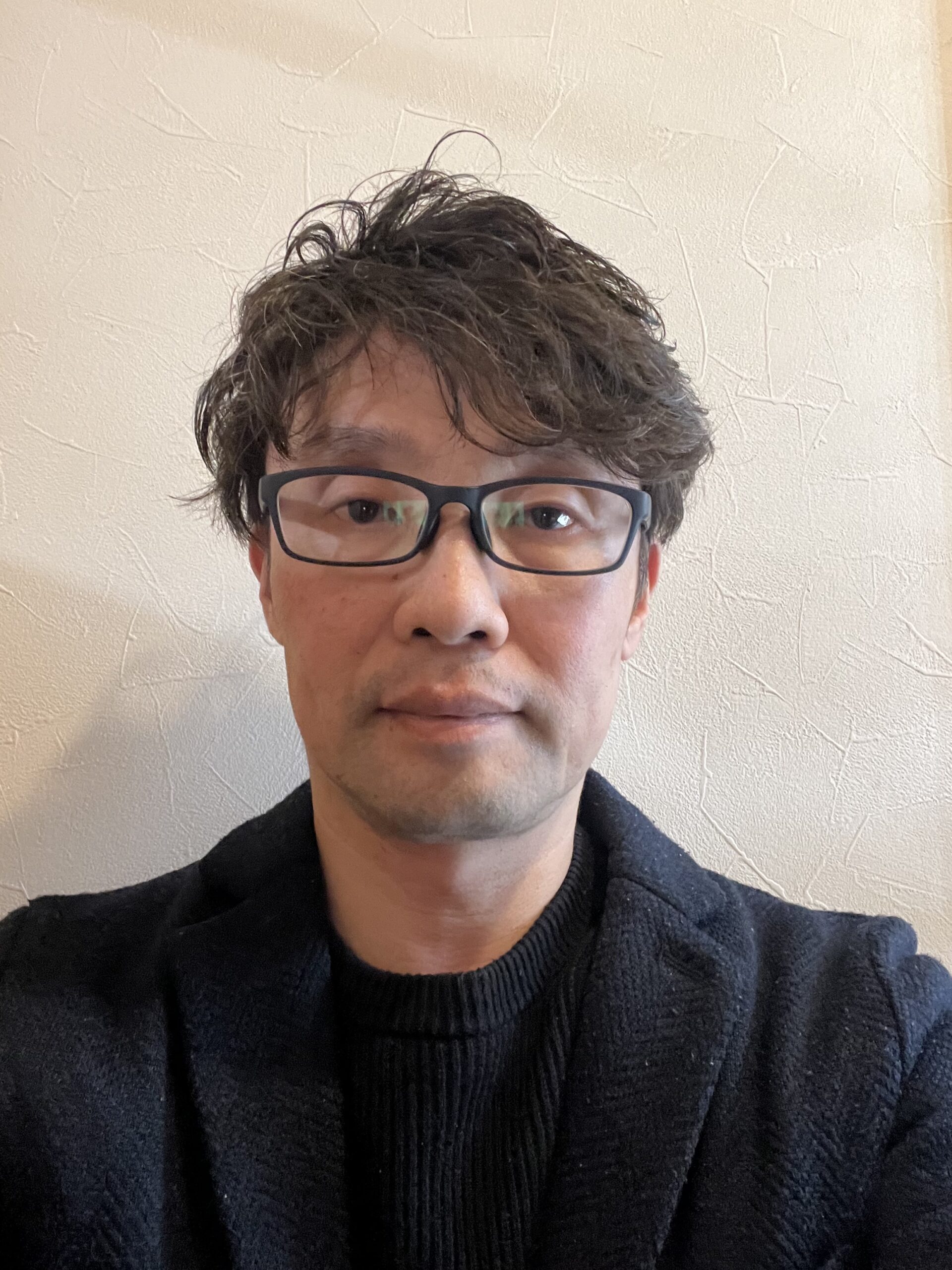
FOUNDER, SMALLCAREFACILITY.COM
Koujirou Nagata
17 years operating · 3 facilities built · $2.7M M&A exit · Currently operating
I’ve spent 17 years operating small-scale care facilities across Japan, Thailand, Vietnam, and Indonesia. I’ve built three facilities from the ground up, completed a $2.7M M&A exit, and I’m still actively operating today.
The U.S. assisted living market is now facing the exact demographic pressure Japan absorbed between 2000 and 2015. The operational lessons our market learned the hard way — about state-level economics, family trust, and staff retention at small scale — are directly applicable to U.S. operators today.
smallcarefacility.com exists to translate those lessons for U.S. and ASEAN entrepreneurs entering the small-scale senior care market.
→ Email me directlyFrequently Asked Questions
Is this for first-time operators or experienced ones?
Both. First-time operators get state selection, property evaluation, and licensing frameworks. Experienced operators get operational depth — staff retention, family relationships, and the cross-market lessons from Japan and ASEAN that U.S. consultants don’t have access to.
How is this different from U.S.-based senior living consultants?
Most U.S. consultants advise from desk research. I’ve operated facilities — three of them, across four countries — for 17 years. The frameworks I share are field-tested, not theoretical. And Japan’s 30-year head start in small-scale care gives me access to operational data the U.S. market hasn’t generated yet.
Is everything free?
All 33+ articles are free. The Starter Kit (3 guides + 3 templates) is free. The Complete USA + ASEAN Care Business Bundle (16 resources, full state-by-state analysis) is $167 — one-time, lifetime access.
Do you offer one-on-one consultation?
Yes, on a limited basis. Email me directly with your situation — current stage, target market, specific challenge — and I’ll respond personally to discuss whether I can help.
START HERE
Get the operating playbook Japan learned the hard way.
3 free guides. 3 execution templates. No email required. Built from 17 years of operating across Japan and ASEAN.
→ DOWNLOAD THE FREE STARTER KIT17 years operating · 3 facilities built · $2.7M M&A exit · Currently operating